
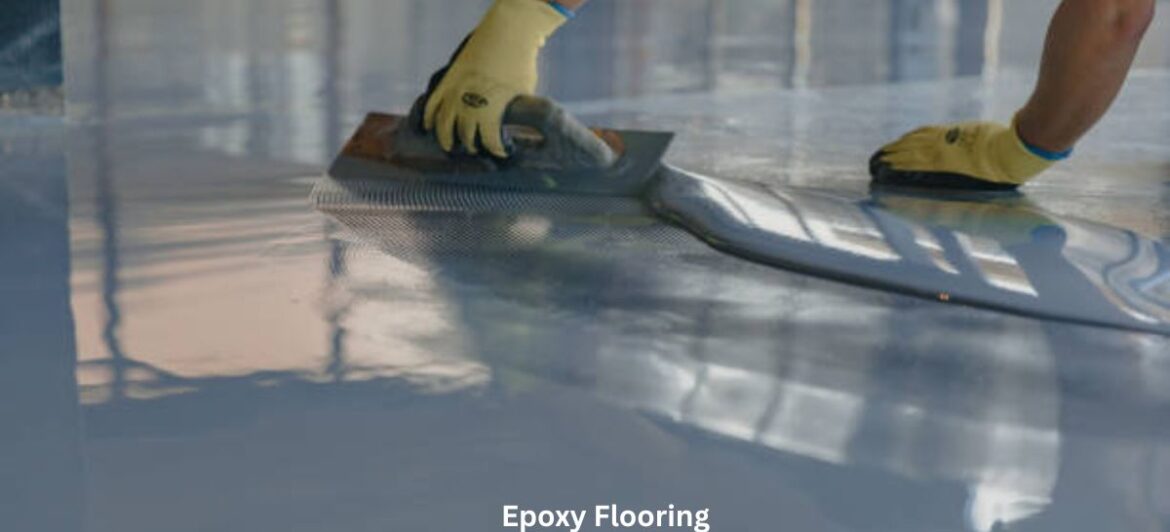
Epoxy Flooring is a practical choice for homes, factories, hospitals, warehouses, garages, and commercial buildings. It creates a smooth layer over concrete and can improve the strength and appearance of the floor. A high-quality epoxy floor coating can protect the surface from dust, stains, regular foot traffic, and daily wear. MansooriFiberglass provides flooring solutions for different properties across Pakistan.
A well-installed epoxy resin flooring system can turn an old concrete surface into a cleaner and more attractive floor. It is available in many colours, finishes, thicknesses, and patterns. Property owners can select a simple solid colour or choose a more decorative design based on how the space will be used.
An epoxy floor coating is made by mixing resin with a hardening agent. When these materials react, they form a firm layer that bonds to a prepared concrete surface. A durable epoxy floor coating can handle regular movement and may last for years when the base is prepared correctly.
The quality of epoxy resin flooring depends on the material, concrete condition, coating thickness, and application method. Dust, moisture, oil, cracks, or weak concrete can affect the bond. This is why surface preparation is one of the most important parts of the project.
The main epoxy flooring benefits include a smooth finish, easy cleaning, strong surface protection, and flexible design options. The coating can also make dark or old spaces look brighter. Light-coloured floors may reflect indoor lighting and improve visibility in work areas.
Another advantage is that seamless epoxy flooring has fewer joints where dirt and liquid can collect. This makes daily cleaning simpler in clinics, kitchens, factories, and commercial spaces. The smooth design can also create a neat and professional appearance.
Industrial epoxy flooring is designed for spaces with machinery, workers, equipment, and heavy movement. It may be used in production areas, workshops, processing units, and loading zones. The coating type should match the actual pressure, heat, chemicals, and traffic found in the workplace.
A heavy-duty epoxy floor normally uses a thicker system than a basic decorative coating. It may include several layers, strong aggregates, or protective topcoats. Careful planning helps reduce cracks, peeling, and early surface damage.
Factory epoxy flooring can support cleaner and better-organised working areas. Different colours may be used to mark walkways, machine zones, storage sections, and restricted spaces. These markings can help workers understand the layout more easily.
Some factories need chemical-resistant epoxy flooring because oils, cleaners, acids, or other substances may reach the floor. The exact resistance depends on the material system. A contractor should understand which chemicals are used before recommending a coating.
Warehouse epoxy flooring is suitable for storage spaces with workers, trolleys, pallets, and forklifts. A strong surface can reduce concrete dust and make the warehouse easier to clean. It may also improve the appearance of old or stained concrete.
Busy warehouses may need an anti-slip epoxy flooring finish in loading areas, ramps, entrances, and wet zones. Fine aggregates can be added to improve grip. However, a very rough finish may be harder to clean, so the level of texture should match the location.
Commercial epoxy flooring is used in shops, offices, showrooms, restaurants, schools, salons, and public buildings. It can provide a modern look while supporting regular foot traffic. Businesses can choose colours that match their logo or interior design.
A decorative epoxy flooring system may include flakes, patterns, borders, or several colours. These features can help a business create a more memorable space. The final design should remain balanced and should not make the floor look too crowded.
Residential epoxy flooring can be used in kitchens, basements, parking areas, stores, home gyms, and living spaces. It gives homeowners an alternative to tiles, stone, or plain concrete. The surface is easy to wipe and can create a clean modern look.
Homeowners should choose the right waterproof epoxy flooring system for areas where moisture or spills may occur. Although epoxy can resist water on the surface, cracks, weak edges, or poor preparation can still allow moisture problems. Proper sealing and drainage remain important.
Garage epoxy flooring helps protect concrete from tyre marks, oil stains, dust, and regular vehicle movement. The surface can also make a garage feel brighter and more organised. A suitable system should be chosen based on vehicle weight and daily use.
Before applying concrete epoxy coating in a garage, the floor must be checked for oil, moisture, cracks, and old paint. Contaminated concrete may need grinding or special treatment. Applying epoxy over a dirty surface can lead to bubbles, peeling, or weak bonding.
Hospital epoxy flooring is often selected because it creates a smooth surface with fewer joints. This may help cleaning teams maintain corridors, clinics, laboratories, pharmacies, and treatment rooms. Colours can also be used to separate departments or guide movement.
Some medical or electronic areas may require anti-static epoxy flooring. This specialised system helps control static electricity. It should be designed and installed according to the technical needs of the room rather than used as a general coating.
A self-leveling epoxy floor creates a thicker and smoother finish over prepared concrete. The liquid material spreads across the surface before hardening. It is often used in commercial, hospital, industrial, and high-quality residential projects.
This type of Epoxy Flooring requires careful mixing and skilled application. The contractor must work within a limited time before the material begins to set. Incorrect mixing or slow application may create uneven areas, marks, or visible joints.
3D epoxy flooring uses a printed image under a clear resin layer. It can create the appearance of water, stone, landscapes, or other visual effects. This style is usually chosen for feature rooms, salons, hotels, offices, or selected home areas.
A successful 3D epoxy flooring project needs a high-quality image and careful placement. The concrete must also be smooth because bumps or cracks can affect the final design. A clear protective layer is applied over the image to create depth and shine.
Metallic epoxy flooring uses special pigments to create flowing effects that may look like marble, clouds, metal, or stone. Each floor can have a slightly different pattern because the pigments move during application.
A metallic epoxy flooring finish is often used in showrooms, reception areas, restaurants, salons, and luxury homes. It can look impressive, but it requires experienced installers. Poor technique may produce unbalanced colours or unwanted marks.
The right system depends on the location and level of use. A decorative home floor may not need the same strength as industrial epoxy flooring. In the same way, a factory may need stronger chemical and impact resistance than a small retail shop.
Property owners should explain their needs to professional epoxy flooring contractors. Important details include daily traffic, machinery, water exposure, chemicals, cleaning methods, design preferences, and budget. These details help the contractor recommend a suitable system.
Professional epoxy flooring installation starts with a detailed inspection. The team checks the concrete for cracks, moisture, dust, grease, paint, and weak sections. The floor may then be ground, cleaned, repaired, and prepared for the first coat.
After preparation, a primer may be applied to improve bonding. The main epoxy floor coating is then mixed and spread across the surface. Additional coats, decorative materials, or protective layers may be added depending on the selected system.
The floor must be allowed to cure before people, furniture, machines, or vehicles are placed on it. The curing time during epoxy flooring installation depends on the material, temperature, ventilation, and coating thickness. Using the floor too early may damage the finish.
Even the best Epoxy Flooring material may fail when the concrete is not prepared correctly. Dust and grease can prevent proper bonding. Hidden moisture may create bubbles or lift the coating from the surface.
Professional preparation may include grinding, shot blasting, crack filling, and cleaning. This work creates a better base for concrete epoxy coating. It may increase the initial project cost, but it can reduce the risk of early failure.
An epoxy floor repair may be needed when a surface develops chips, cracks, scratches, bubbles, or peeling areas. The repair method depends on the cause and the size of the damaged section. Small marks may need a local repair, while larger problems may require removal and recoating.
Before completing an epoxy floor repair, the contractor should identify why the damage happened. Possible reasons include moisture, poor preparation, heavy impact, chemical exposure, or incorrect material mixing. Repairing only the visible surface may not solve the real problem.
Regular cleaning helps seamless epoxy flooring keep its smooth appearance. Loose dirt should be removed before it scratches the surface. Mild cleaning products and soft tools are often suitable for general care.
Strong chemicals should not be used unless the system is designed to resist them. Even chemical-resistant epoxy flooring has limits based on the product and exposure time. Spills should be cleaned quickly to protect the finish and reduce slip risks.
Reliable epoxy flooring contractors should inspect the site and provide a clear written quotation. The quotation should explain preparation, material type, thickness, colour, number of coats, project time, and payment terms.
MansooriFiberglass can help clients select Epoxy Flooring for homes, warehouses, factories, garages, hospitals, and commercial buildings. A professional site review allows the team to recommend a solution based on the actual floor condition.
Epoxy Flooring is a strong and flexible option for many properties in Pakistan. It can provide a smooth surface, modern appearance, and easier cleaning. From residential epoxy flooring to heavy industrial systems, the right result depends on suitable materials, careful preparation, and professional installation. MansooriFiberglass can help property owners choose a practical system for their space.
A durable epoxy floor coating may last for many years when it is installed correctly and maintained properly. Its lifespan depends on traffic, material quality, surface preparation, and daily use.
Yes. Residential epoxy flooring may be used in kitchens, basements, garages, stores, and living areas. Homeowners can choose plain or decorative finishes.
Yes, but the concrete must be inspected and prepared. A concrete epoxy coating may fail if the old surface contains moisture, loose material, oil, or deep cracks.
A glossy surface may become slippery when wet. Anti-slip epoxy flooring can include added texture to improve grip in wet or busy areas.
Yes, certain chemical-resistant epoxy flooring systems are made for chemical exposure. The contractor must know the exact substances used in the area.
A basic coating is normally thinner. A self-leveling epoxy floor creates a thicker and smoother surface and may be suitable for commercial or industrial use.
Yes. Epoxy floor repair can fix selected cracks, chips, bubbles, or worn sections. The cause of the damage should be identified before repair work starts.
MansooriFiberglass provides epoxy flooring installation for residential, commercial, and industrial spaces. The team can inspect the site and recommend a system based on the floor condition and use.